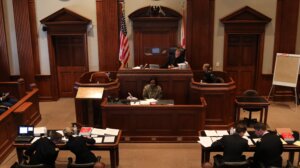
When service members are convicted at a court-martial, the sentence may include confinement in a military prison imposed by a military judge. The type of court-martial—summary, special, or general—determines the range of punishments, including the possibility of forfeiture of pay, punitive discharge, or long-term incarceration. Under the Uniform Code of Military Justice (UCMJ), serious offenses such as sexual assault, desertion, or violent crimes typically result in longer court-martial sentences, often served at facilities like the U.S. Disciplinary Barracks (USDB) at Fort Leavenworth.

What Is the Military Prison System Like?
The Department of Defense (DoD) maintains its own prison system for military personnel convicted by military courts. Unlike civilian courts, the military justice system focuses on discipline, order, and structured rehabilitation. These prisons are overseen by military staff and follow protocols outlined in the Manual for Courts-Martial (MCM).
Primary military confinement facilities include:
- U.S. Disciplinary Barracks (USDB) – Fort Leavenworth, Kansas (long-term, maximum security for male inmates)
- Naval Consolidated Brig Miramar – California (Navy and Marine Corps personnel)
- Naval Consolidated Brig Charleston – South Carolina
- Regional Correctional Facilities – Used by the Air Force, Marine Corps, and Army for short- and mid-term confinement
These institutions house inmates convicted at a general court-martial, as well as some from special courts-martial with confinement sentences.
Daily Life in a Military Prison
Inmates in military prisons follow a rigid, structured schedule with a focus on discipline, rehabilitation, and readiness for reintegration. A typical day may include:
- Early morning wake-ups and inspections
- Physical training or hard labor assignments
- Work programs or education classes
- Counseling and behavioral rehabilitation sessions
- Religious or chaplain services
- Adherence to military customs and courtesies, including saluting officers and wearing designated uniforms
Prisoners remain under military law and are technically still in the military service. Therefore, they are expected to comply with the chain of command even while incarcerated. Misconduct within confinement can lead to disciplinary actions or delays in clemency eligibility.
Visitation and Family Contact
Maintaining family connections during confinement is both permitted and encouraged, though it is tightly regulated.
- Visitation requires pre-approval, including background checks and application submission
- Visits are typically allowed on weekends or designated days and occur in monitored settings
- Physical contact is limited and varies by custody level
- Phone calls and correspondence are allowed under strict guidelines
Sustained family contact is considered beneficial to mental health, behavior, and future civilian life reintegration. Family members with questions about visitation should contact the facility or request guidance from the inmate’s defense counsel.
Rehabilitation Programs and Their Role
Military confinement is not solely punitive—it also aims to rehabilitate. All major military prisons operate comprehensive rehabilitation programs, including:
- Substance abuse treatment (mandatory for relevant offenses)
- Anger management and behavioral health counseling
- Vocational training and certifications
- Educational programs, including GED completion and college coursework
- Mental health care, particularly for PTSD, depression, or trauma-related symptoms
Participation is mandatory for many inmates and plays a significant role in clemency and parole eligibility. Progress reports are reviewed by correctional officers and may be submitted with clemency requests to the convening authority.
How Military Confinement Differs from Civilian Incarceration
While both systems involve loss of liberty, military incarceration has several distinct features:
- Inmates remain active-duty military until discharged
- Military customs and courtesies remain in effect
- Uniforms are worn, and the military rank structure is followed
- Behavior expectations are stricter, and rule violations carry military penalties
Unlike in the civilian system, parole is rare, and sentence reductions usually occur through clemency or sentence remission granted by the original commanding officer or the judge advocate general chain.
Legal Avenues After Sentencing
After sentencing, the convicted military member may pursue several legal options:
- Appeal to the Court of Criminal Appeals (per service branch)
- Further appeal to the Court of Appeals for the Armed Forces (CAAF)
- Review by the U.S. Supreme Court (in rare cases involving constitutional issues)
Appeals may challenge legal errors, improper procedures, or injustices during the trial. Post-trial legal assistance from an experienced defense attorney is critical to success.
In addition, inmates may submit clemency petitions requesting:
- Sentence reduction
- Elimination of punitive discharge (e.g., dishonorable discharge, bad-conduct discharge)
- Early release or transfer to a lower custody level
- Elimination of the death penalty (rarely imposed by military courts)

Can Officers Be Sent to Military Prison?
Yes. Commissioned officers can be confined if sentenced by a general court-martial. While some serve in separate housing within the prison, they follow many of the same rules and rehabilitation programs. Officers may face unique administrative penalties, including dismissal, total forfeiture of pay, and permanent separation from the armed forces.
Long-Term Impacts of Military Incarceration
A court-martial conviction with confinement can have lasting consequences:
- Loss of veterans’ benefits, including healthcare and education
- Barriers to employment in law enforcement, federal agencies, or positions requiring a security clearance
- Social stigma and difficulty reintegrating into civilian life
- Ineligibility for military retirement and pension programs
- Legal obligations, such as sex offender registration for qualifying offenses
These challenges underscore the importance of experienced legal guidance before, during, and after confinement.
Why You Need a Strong Defense from the Start
Whether facing a pretrial investigation, court-martial, or post-conviction review, an aggressive and informed defense is your best chance at preserving your rights. The earlier a military defense attorney is involved, the more options you have to reduce charges, avoid confinement, or build a clemency strategy.
Facing Confinement? Protect Your Rights Today
If you or a loved one is facing the possibility of military confinement, don’t wait to act. The Military Defense Firm has successfully defended military members in every branch of the U.S. military. We understand the unique demands of the military justice system and fight to protect your freedom and future.
Schedule a free consultation today and take the first step toward protecting your military career.