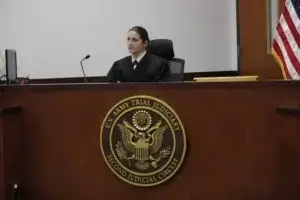
Understanding Drug Offenses Under Military Law
In the armed forces, drug-related offenses are prosecuted with exceptional seriousness. Whether involving drug use, drug possession, or drug trafficking, a military drug charge can lead to criminal charges that impact a service member’s freedom, reputation, and future. But is a drug offense in the military considered a felony?

The short answer: Yes. In most cases, especially those resulting in a general court-martial, a drug offense under military law is treated as a felony-equivalent crime.
Article 112a of the UCMJ and Drug Offenses
Drug offenses in the military fall under Article 112a of the Uniform Code of Military Justice (UCMJ). This UCMJ article criminalizes the wrongful use, possession, distribution, manufacture, or introduction of controlled substances. These include:
- Methamphetamine
- Cocaine
- Marijuana
- Ecstasy
- Opioids
- Other illegal drugs and prescription substances without lawful authority
Article 112a applies to all military service members, including those on active duty in the Army, Air Force, Navy, Marine Corps, and Space Force. A single drug test resulting in a positive finding can trigger severe consequences.
When Is a Military Drug Offense Considered a Felony?
A conviction at a general court-martial for a drug offense is generally considered felony-level under both military and civilian law. While military law doesn’t use the terms felony and misdemeanor in the same way civilian courts do, the outcome of a general court-martial conviction is equivalent to a felony and can include:
- Dishonorable discharge
- Confinement
- Forfeiture of pay, rank, and benefits
- Loss of veterans’ benefits
- A permanent criminal record
This record can affect your ability to own firearms, apply for housing, seek federal employment, or pursue civilian career opportunities. If convicted of drug crimes, even after separation from the military, you may be required to report the conviction on job applications or security clearance forms.
Special Court-Martial vs. General Court-Martial
Understanding the difference between a special court-martial and a general court-martial is critical when facing a military drug charge:
A special court-martial is often referred to as the military equivalent of a misdemeanor-level court. While still serious, it generally results in less severe punishments. A special court-martial can impose:
- Up to 12 months of confinement
- Bad-conduct discharge (not dishonorable)
- Forfeiture of two-thirds pay for up to one year
- Reduction in rank
A conviction in a special court-martial may not always be considered a felony under civilian law, though it can still have significant consequences.
A general court-martial, on the other hand, is the military’s highest-level trial court. It is used for the most serious offenses, including many drug-related offenses. Punishments may include:
- Dishonorable discharge
- Years or even life in confinement (depending on the charge)
- Total forfeiture of all pay and allowances
Because a general court-martial conviction creates a federal criminal record, it is generally treated as a felony. Most military drug crimes prosecuted at this level leave lasting consequences on a service member’s civilian life.
What About Non-Judicial Punishment or Administrative Discharges?
Not all drug charges result in a court-martial. Some military personnel may face non-judicial punishment (NJP) under Article 15 or be recommended for administrative discharge or administrative separation. While these options may avoid a felony record, they can still lead to:
- Early separation from military service
- Loss of benefits and retirement eligibility
- An other-than-honorable or general discharge
- Career-ending stigma that follows into civilian life
In these cases, the command may offer waivers for certain first-time offenses, but these are rare and usually reserved for low-level violations with mitigating circumstances.

What Evidence Is Used in Military Drug Cases?
The military follows a zero-tolerance policy on substance abuse and collects evidence through:
- Urinalysis or random drug tests
- Admissions or confessions during interviews
- Testimony from witnesses
- Physical evidence of drug possession or paraphernalia
The chain of custody, reliability of the drug test, and handling of the sample are all critical issues. If the test is flawed or the evidence mishandled, your defense attorney can challenge its admissibility.
Can You Fight a Military Drug Charge?
Absolutely. With the right defense strategy, a military lawyer or criminal defense attorney can fight back and protect your military career. Common defenses include:
- Improper urinalysis procedures or faulty lab results
- Mistaken ingestion of a banned substance
- Unknowing consumption through spiked drinks or mislabeled items
- Lack of intent or involuntary exposure
- Procedural violations during the investigation
A successful defense may result in dismissed charges, reduced punishment, or alternative administrative action instead of a court-martial.
The Link Between Drug Offenses and Other UCMJ Charges
In some cases, drug-related offenses are accompanied by other charges under the UCMJ, such as:
- DUI (driving under the influence)
- Disorderly conduct
- Sexual assault (if linked to intoxication)
- Violations of Article 134 or other general articles
These compound charges can greatly increase potential penalties. That’s why it’s essential to work with a military defense attorney who understands the full landscape of military law and court-martial defense.
Why You Need Legal Representation Immediately
If you are facing a military drug offense, the most important step is to consult legal counsel immediately. Don’t talk to investigators, your chain of command, or law enforcement without your defense lawyer present.
An experienced court-martial attorney can:
- Review the legality of the drug test or urinalysis
- Identify procedural errors that violated your rights
- Help determine if waivers or rehabilitation programs are available
- Negotiate for administrative resolution when appropriate
- Build a comprehensive defense strategy
Time is critical. Early legal action can mean the difference between retaining your rank and losing everything.
Get Legal Advice from The Military Defense Firm
Are you facing drug charges in the military? The Military Defense Firm has represented hundreds of service members charged under Article 112a, including high-profile cases across all branches of the military. Our team has deep experience in military court proceedings and criminal defense strategies that work.
Let us help protect your rights, your military service, and your future.
Schedule a free consultation with a skilled military defense attorney. Don’t let a drug charge define your career.